
Customer data platforms changed marketing by giving teams something they had never truly had before: a reliable, unified view of the customer.
For years, that was enough. Data was fragmented. Signals were scattered. Simply bringing everything together created enormous value.
But the world has changed.
Today, most enterprises don’t suffer from a lack of data. They suffer from a lack of momentum. Teams have profiles, segments, dashboards, and pipelines, yet still struggle to act quickly, consistently, and intelligently across channels. Insight arrives after opportunity has passed. Execution requires too many handoffs. Personalization remains more aspirational than operational.
The problem is no longer data.
The problem is context.
Why data alone is no longer enough
Traditional CDPs were designed to answer a foundational question: Who is this customer? That question still matters, but it is no longer sufficient.
Modern marketing demands a different capability. Teams need to understand what is happening right now, what has already happened, what constraints are in place, and what action will create the best outcome in the moment. That requires far more than a static profile or a historical segment. It requires real-time interpretation of behavior, intent, channel state, business rules, and goals, all working together.
In other words, it requires context.
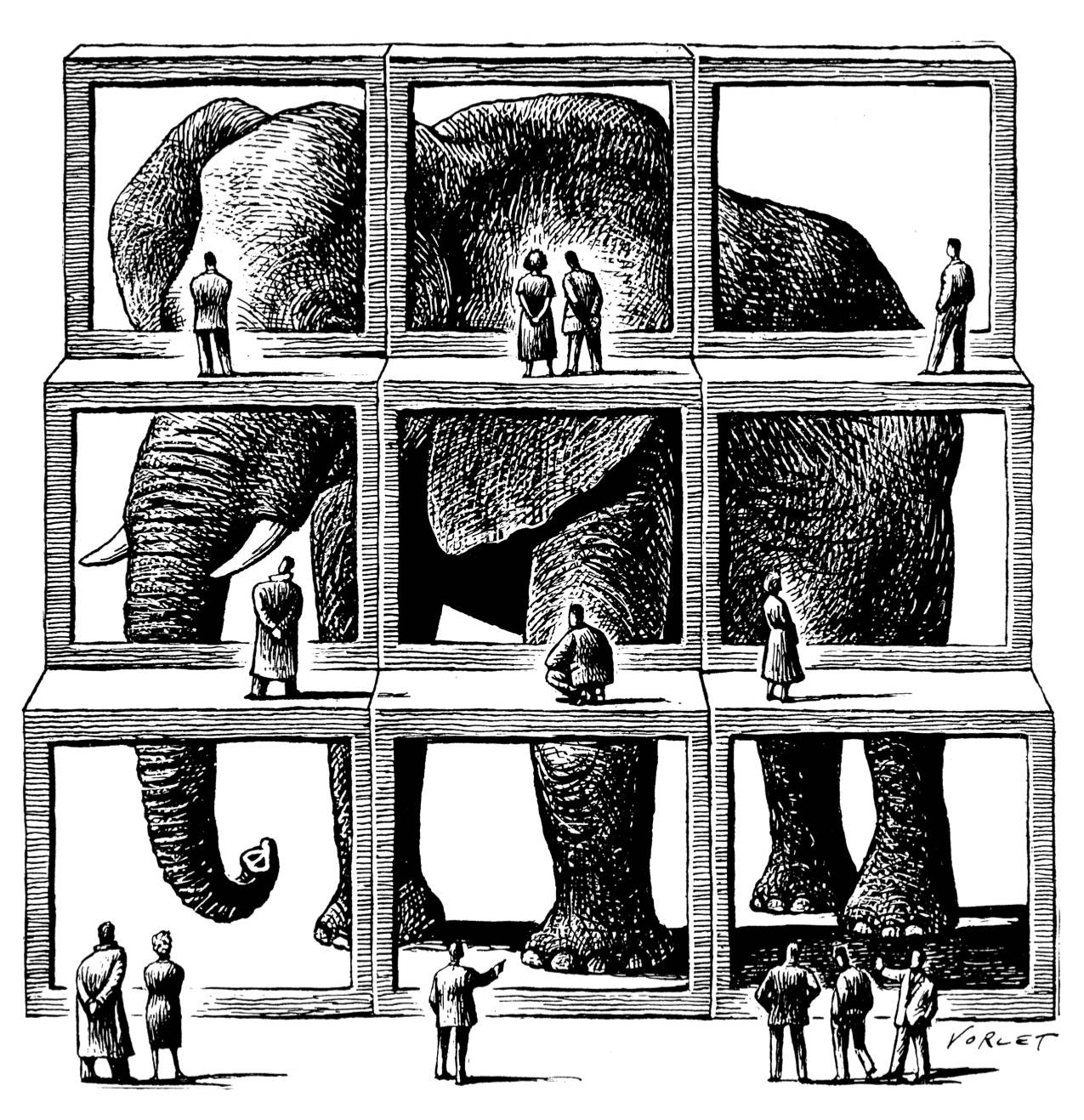
This is why the next evolution of the category is emerging. Customer data platforms are becoming context data platforms, systems designed not just to store customer information, but to continuously interpret it in ways that drive intelligent action.
From CDP to context data platform
A context data platform does something fundamentally different from its predecessors.
Instead of existing primarily for analysts and marketers to query, it exists to power real-time decisioning across the marketing stack. It translates raw data into situational awareness. It understands where a customer is in a journey, what has already been tried, what is allowed, and what should happen next.
This shift is inseparable from the rise of AI.
As AI moves from experimentation into production, it stops being a set of features and starts becoming an operating layer. AI doesn’t just generate ideas. It evaluates tradeoffs. It prioritizes actions. It adapts continuously as conditions change.
For that to work, AI needs more than access to data. It needs context: a living understanding of customers, journeys, and business intent.
Why context changes everything
When customer data is structured as context, marketing systems behave differently.
Decisioning becomes continuous instead of episodic. Journeys become adaptive instead of linear. Personalization moves from rules and segments to moment-based orchestration. Teams spend less time configuring and more time steering.
Without context, automation follows instructions. With context, systems make informed decisions. That is the difference between scaling workflows and scaling outcomes.
CDP remains the foundation, not the destination
None of this diminishes the importance of core CDP capabilities. In fact, it increases their importance.
Identity resolution, data quality, governance, interoperability, and privacy are no longer just table stakes. They are the guardrails that make intelligent, real-time decisioning possible. As AI takes on more responsibility, the cost of poor data or unclear policies rises dramatically.
But a foundation alone does not define a platform’s future.
The platforms that will matter most in the next era are those that treat the CDP as the base layer of a broader intelligence system, one designed for continuous interpretation, decisioning, and action. Everything else is just an AI wrapper — and when you take the AI away, everything crumbles.
Hybrid systems matter more than ever
There is a persistent myth that more intelligent platforms must be more closed. The opposite is proving true.
Context is richest when systems are connected. Intelligence improves when signals flow freely across tools, channels, and partners.
Warehouse-native and composable architectures are certainly defining the future of martech, but true innovation isn't about rigid adherence to a single model. It’s about delivering flexibility without compromise. A modern CDP must empower brands to toggle between packaged, hybrid, and composable setups—much like a driver selects a powertrain (gas, hybrid, or electric) while expecting the same premium performance from the vehicle.
The future belongs to platforms that combine openness with intelligence, interoperability with decisioning.
A category in transition
Every meaningful shift in technology creates tension. Categories evolve faster than their definitions. Point-in-time views struggle to capture momentum. Companies that challenge established boundaries often look uncomfortable before they look obvious.
That’s the nature of transition.
The market is moving beyond customer data as an end in itself and toward customer context as the driver of action. Platforms are no longer judged solely on how well they collect information, but on how effectively they act as a central brain to power intelligent engagement in real time, at scale.
This is not the end of the CDP story. It is the beginning of its next chapter.
Where this leads
The future of marketing platforms is not about more dashboards, more segments, or more disconnected tools. It is about systems that continuously interpret what is happening and help teams respond intelligently in the moment.
Customer data platforms made modern marketing possible. Context data platforms will make intelligent marketing inevitable.
Topics Covered